
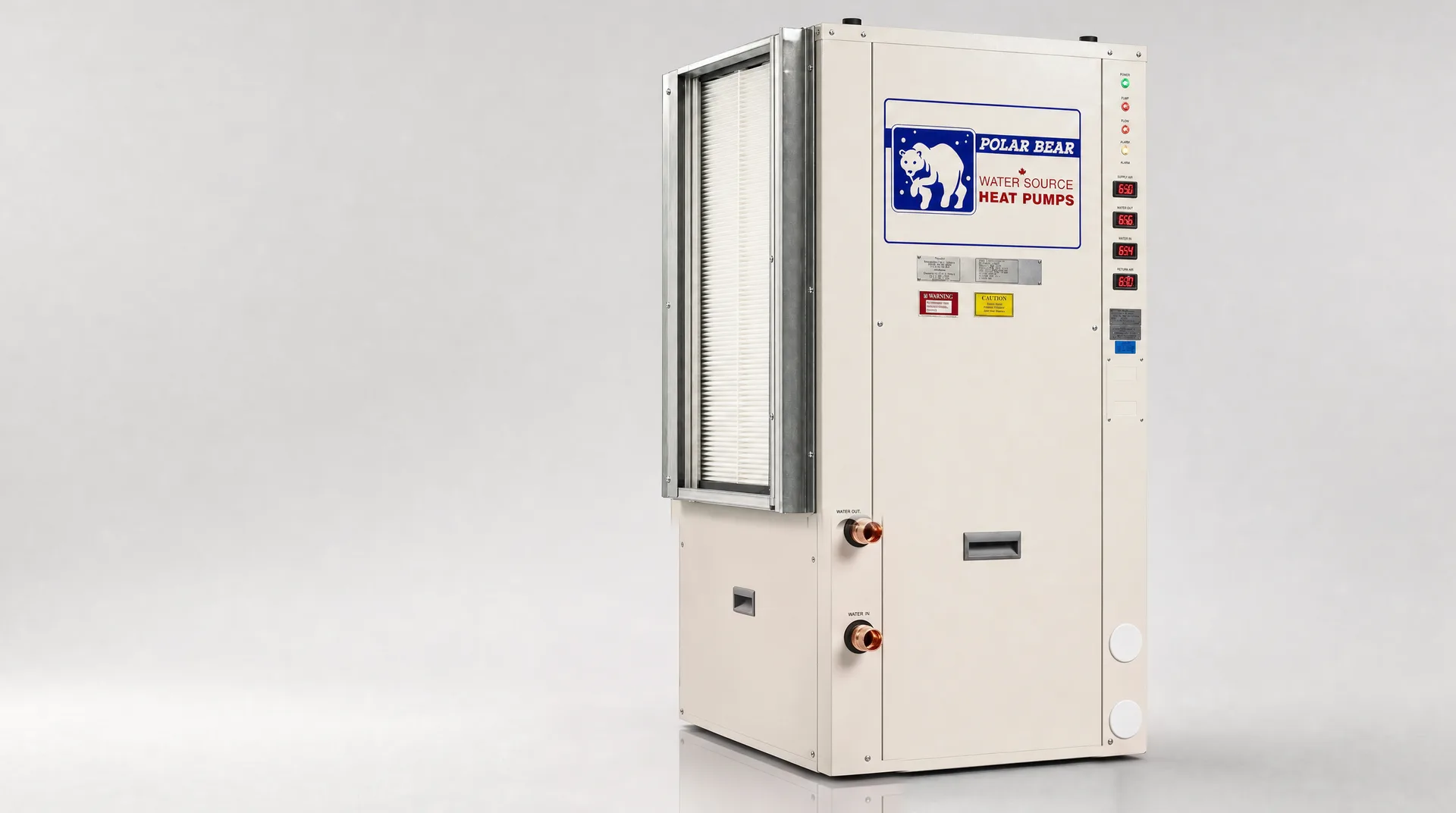
Polar Bear Water Source Heat Pumps
Water-source heat pumps, built in Toronto.
Water-to-air, split and water-to-water units in 52 rated models, built for the voltage on site. Compare them, or send us the job and we will help you choose.
AI render based on Polar Bear equipment photographs.
The cabinet, up close.
Cabinet, hardware and the layout behind the panels.
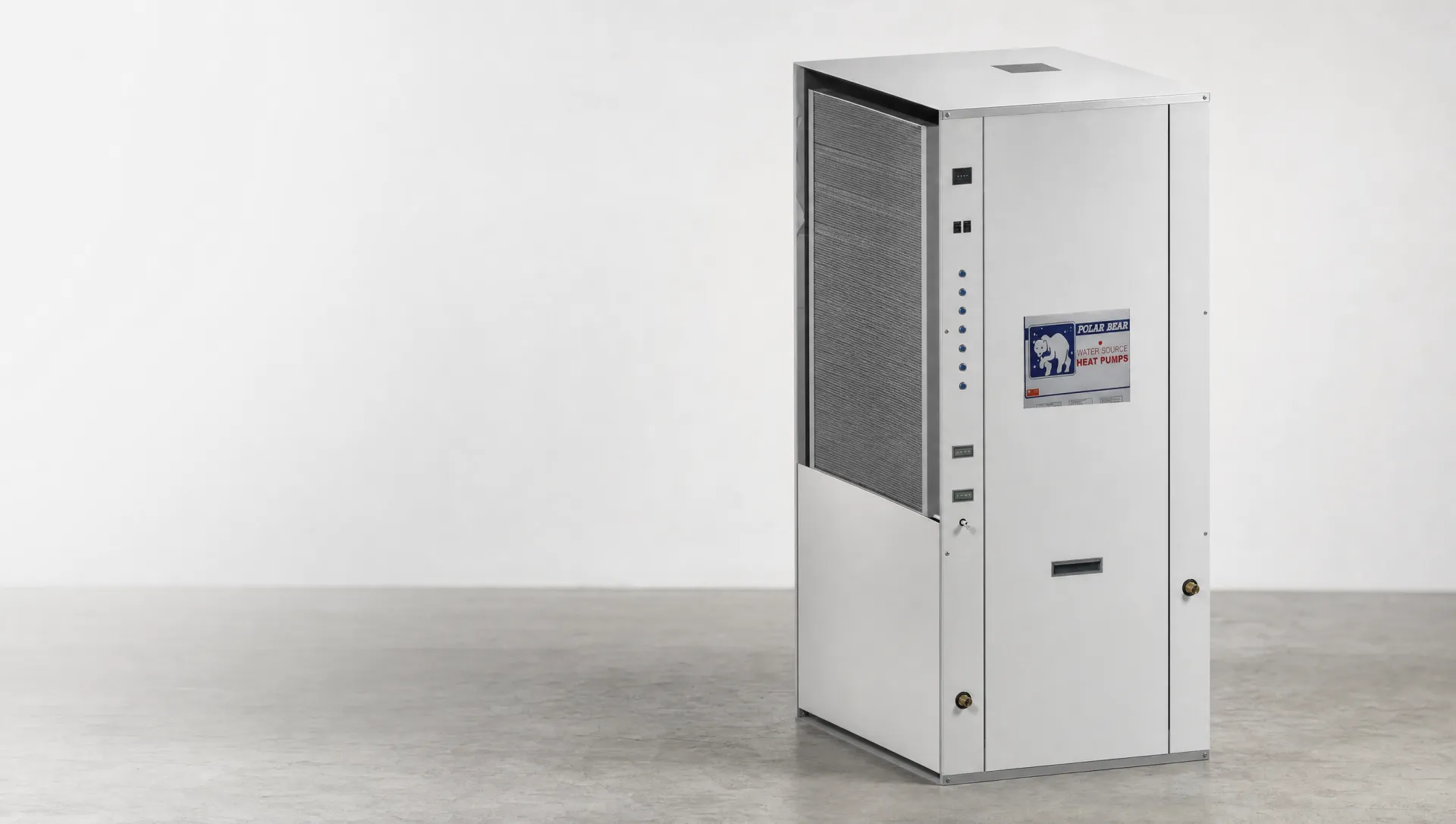
Render from the CAD model.
The cabinet, in detail.
A PBSM cabinet. Dimensions, connection positions and service clearances for each model are on its spec sheet.
View documented PBSM modelsBefore you order.
Renders and ratings
Renders and cutaways on this site are illustrations. Ratings come from the Polar Bear product specification, and each model page links to it.
Prepare an equipment request
Include heating and cooling loads with units, entering-water conditions, loop type, electrical supply, cabinet orientation and available service space.
Ratings and selection
Published ratings are a starting point. Capacity at your water temperatures and the options for your job are confirmed with us before you order.
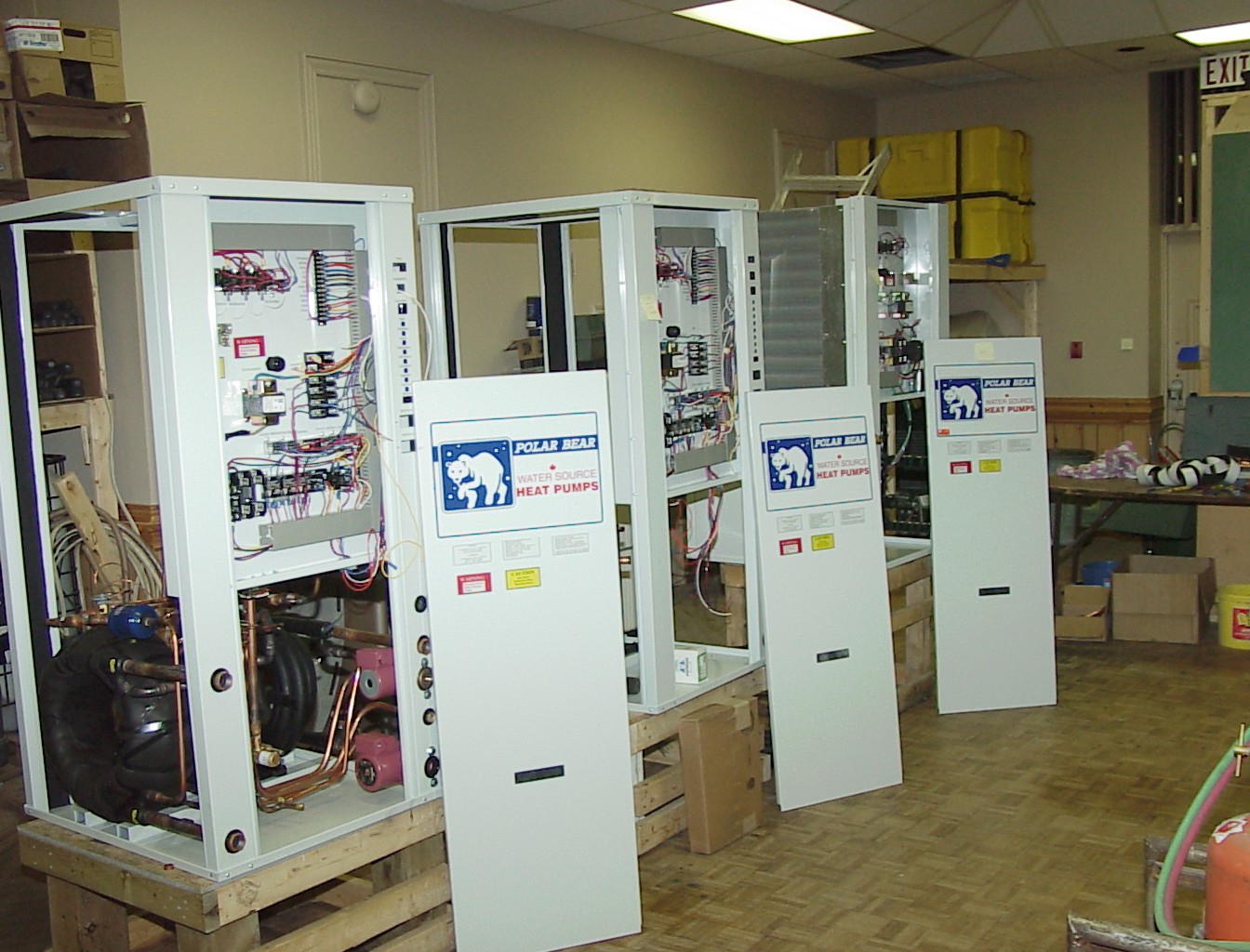
A working plant: 501 Alliance Avenue.
Polar Bear’s original film follows the central plant, ground-loop connections, building distribution and service access at a Toronto retrofit.
Published in 2020.
What do you need?
52 rated models, each with its spec sheet.
Open the spec chartsStandard units, built to suit.
Start with water-to-air or water-to-water configurations, then open the spec chart for each family.
Water-to-air
- PBSMVertical water-to-air — largest single-compressor4 rated models
- PBVEVertical water-to-air — standard single-compressor8 rated models
- PBMCVertical water-to-air — compact6 rated models
- PBSCVertical water-to-air — scroll compressor4 rated models
- PBHSHorizontal split water-to-air — large4 rated models
- PHHSHorizontal split water-to-air — standard8 rated models
- PBSTVertical water-to-air triple function8 rated models
Water-to-water
Designed around two sections. One sealed core.
A proposed modular water source heat pump delivered as two transport sections: a thermal core carrying the whole sealed refrigerant circuit, and an air-movement and control section joined to it by a dry gasketed air joint. Configure it, separate it and walk through site assembly.
Explore the two-section concept ↗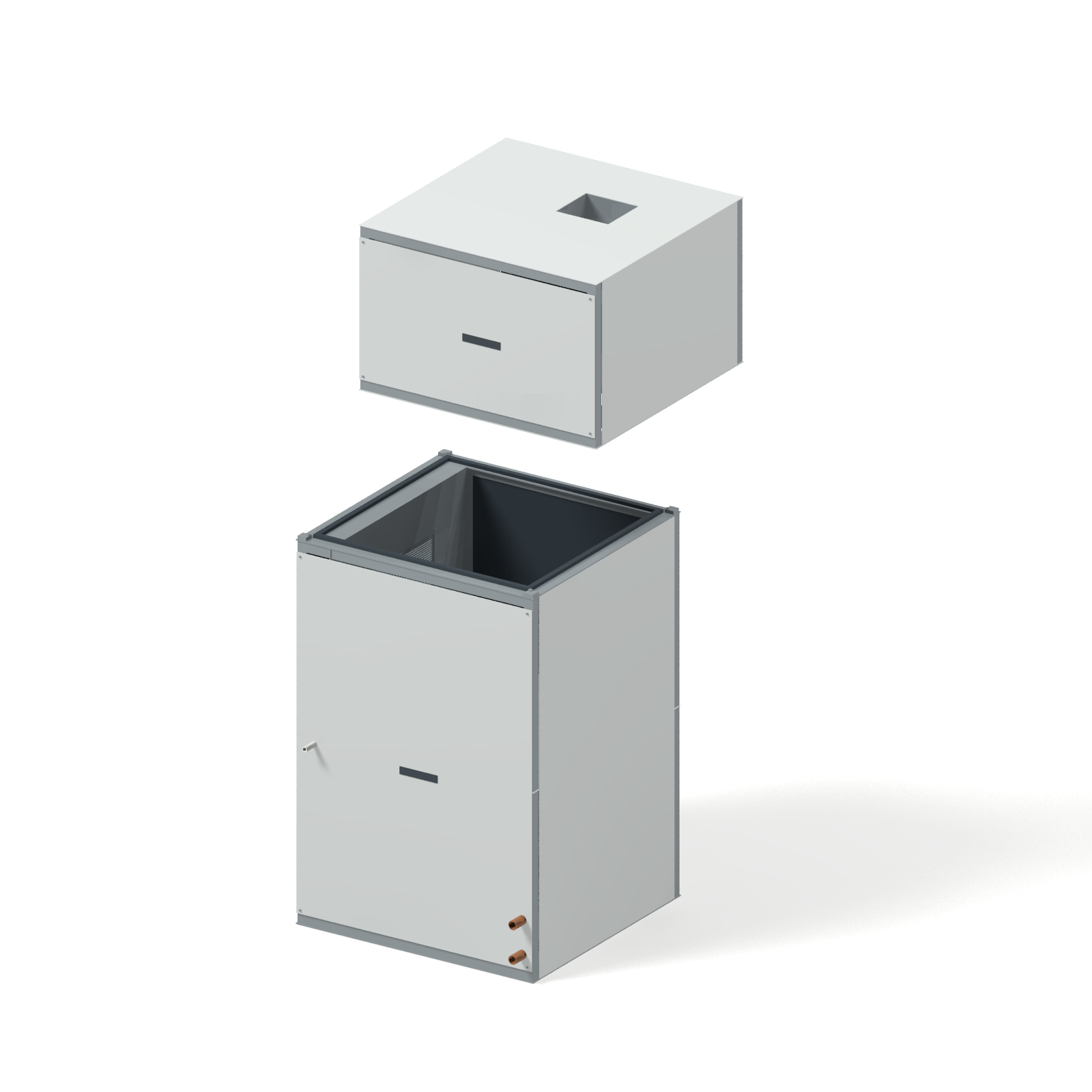
Principles, build and the ground loop.
How the units work, how they are built, and what happens on a drilling site.

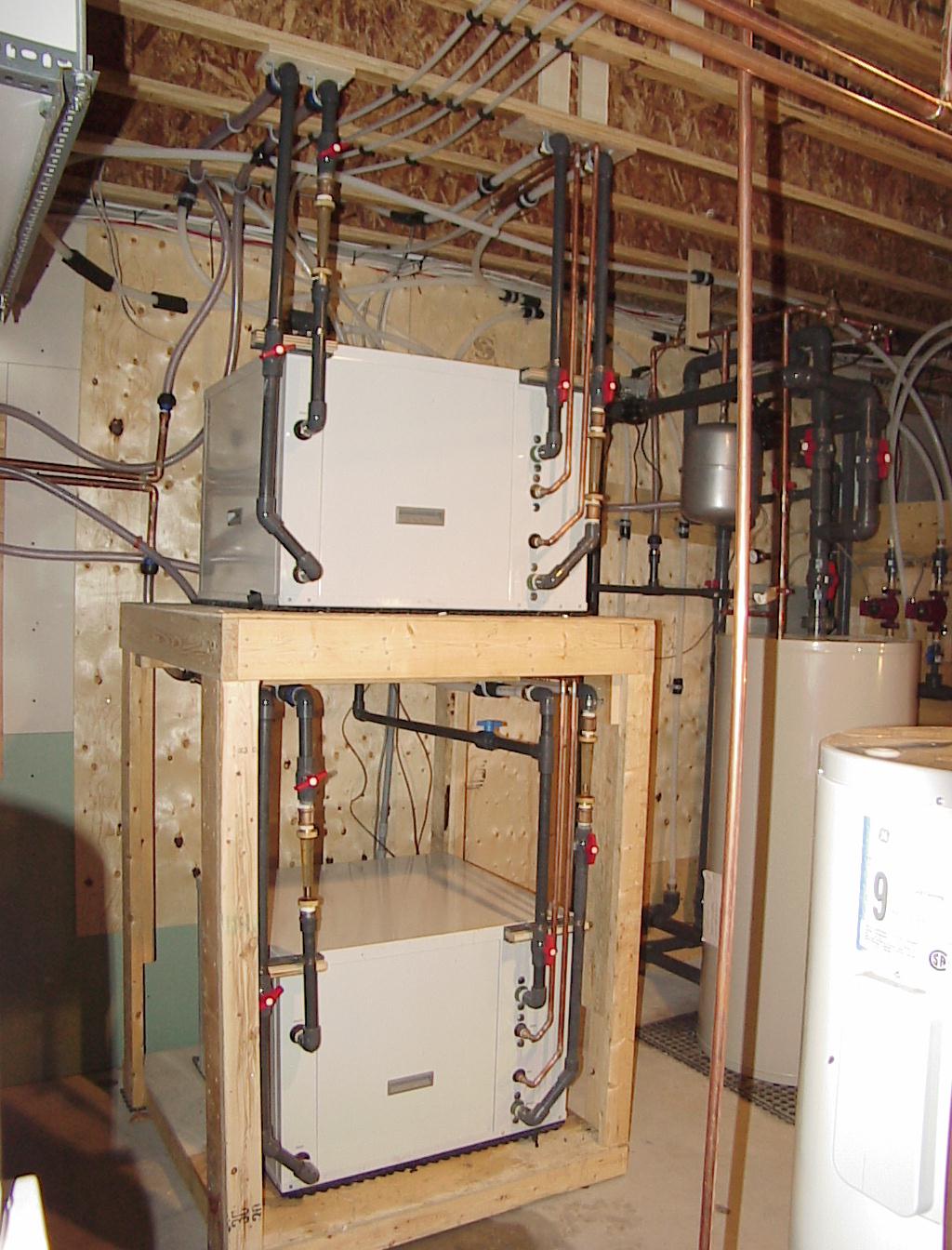
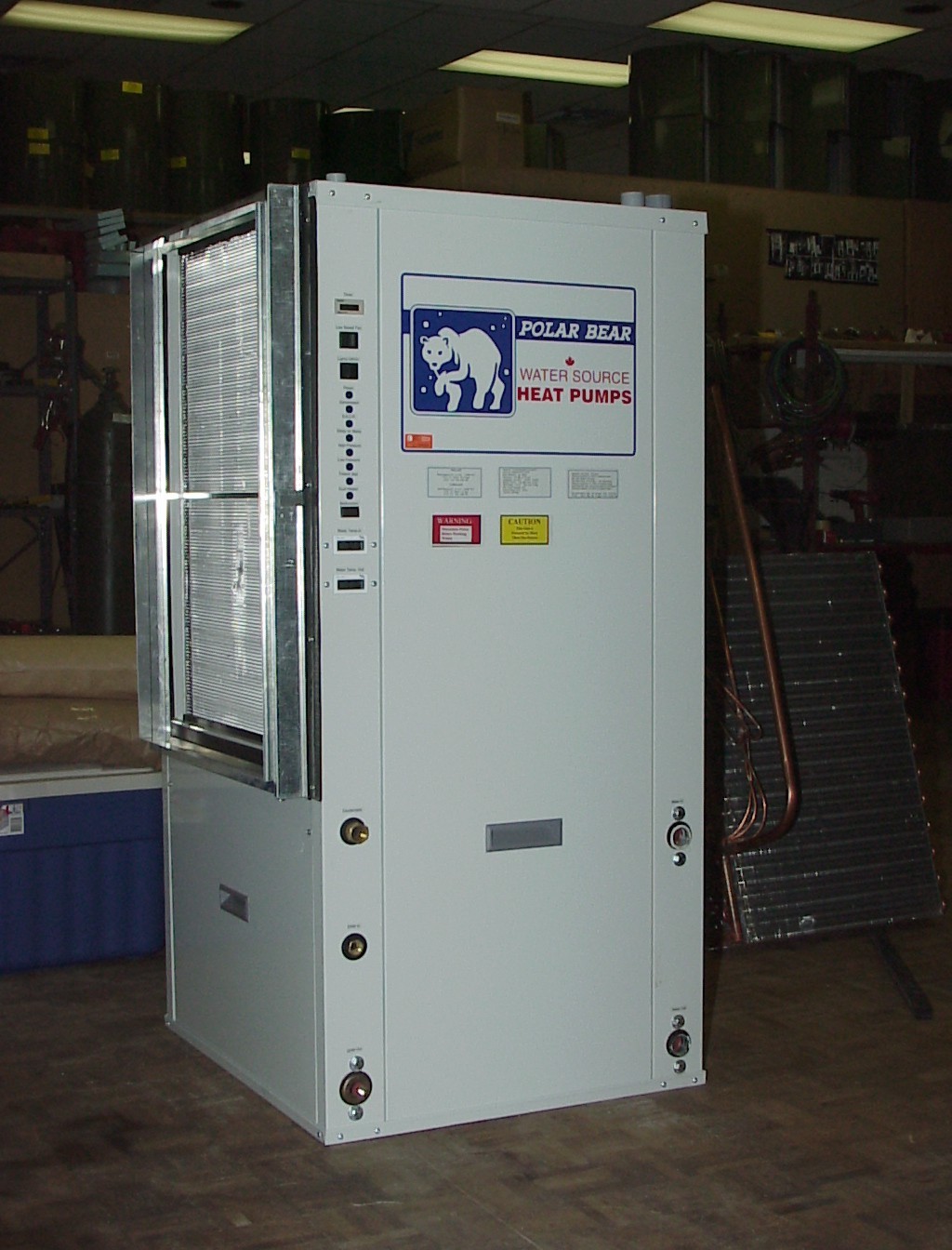
Real units, in the shop and on site.
Photographs of Polar Bear units in the shop and in the field.
Built for service as much as performance.
Dennis Campbell's design philosophy emphasizes accessible components, clear electrical documentation, durable cabinets, and practical serviceability.
Read the philosophy ↗
Ratings from the published specification.
Every rating on this site is taken from the Polar Bear product specification. Models still being documented are listed in the source notes.
Review source notes ↗